


Small Group Training: 10 Reasons to Try It at Our Garden Grove Gym
Introduction
If you’ve bounced between packed gyms and home workouts that never quite stick, small group training might be the missing piece. That sounds like a bold claim, but it’s something we see play out over and over at Primitive x SwoleAF Garden Grove gym. People walk in unsure. A little skeptical. Then they keep coming back.
Small group training sits in a rare middle ground. You’re not anonymous, wandering through rows of machines. You’re also not under a microscope in a one-on-one session that feels intense, or financially unsustainable. Instead, you get real coaching, structure, and a sense that someone actually notices when you show up.
Most people don’t struggle with fitness because they lack discipline. In practice, it’s usually the plan. Or the lack of one. Life gets busy. Motivation dips. Small group training tends to fit where other approaches fall apart. Below are ten honest reasons why it works—especially here in Garden Grove.
Why Small Group Training Delivers Better Coaching and Safer Workouts
Start with coaching. Real coaching.
In small group training, your trainer can actually see how you move. That sounds obvious, but it’s rare. Poor form doesn’t usually cause instant injuries. It shows up later. Tight backs. Angry knees. Stalled progress. In a crowded gym, no one’s watching. In private training, it can feel overwhelming. Small group training lands in the middle.
Coaches cue your lifts, adjust loads, and step in before things go sideways. You’re not guessing. You’re not copying a stranger. And you’re definitely not following a random workout you saved months ago.
Over time, this builds continuity. Trainers remember old injuries. They notice patterns. That familiarity matters more than most people expect.
If you want a deeper look at why guidance changes outcomes, see
And no, safety isn’t just marketing language. Supervised resistance training consistently shows lower injury risk and promotes more safety. From the International Journal of Strength and Conditioning: Supervision during Resistance Training: A Comparison of Trainer and Trainee Perceptions
It Builds Accountability Without Pressure
Motivation fades. That’s normal.
What surprises people is how small group training handles that without guilt or hype. When you train with the same few people, your presence matters. If you miss a session, someone notices. Not to shame you. Just… notices.
That changes behavior.
Accountability here feels human. You show up because it feels good to be expected. You talk between sets. You celebrate small wins that wouldn’t matter anywhere else.
At our Garden Grove gym, this is one of the biggest reasons people stay consistent. Training becomes part of the week, not a decision you renegotiate every day.
If consistency has always been the hard part, this helps explain why:

You Get Personalized Programming at a Lower Cost
This part tends to surprise people.
With small group training, you’re not paying private-session prices, but you’re still getting programming that adjusts to you. Everyone follows the same general plan, yet loads, reps, and progressions shift based on ability.
Beginners and experienced members train side by side. No one gets left behind. No one gets bored.
That flexibility keeps workouts from going stale. Progress doesn’t stall because the program evolves as you do.
Cost matters too. Plenty of people quit training not because they stop caring, but because it stops making sense financially. Small group training is easier to sustain, which usually means better results long term.
Small Group Training Creates Real Community and Support
In most gyms, people have headphones on. Eyes down. Everyone is doing their own thing.
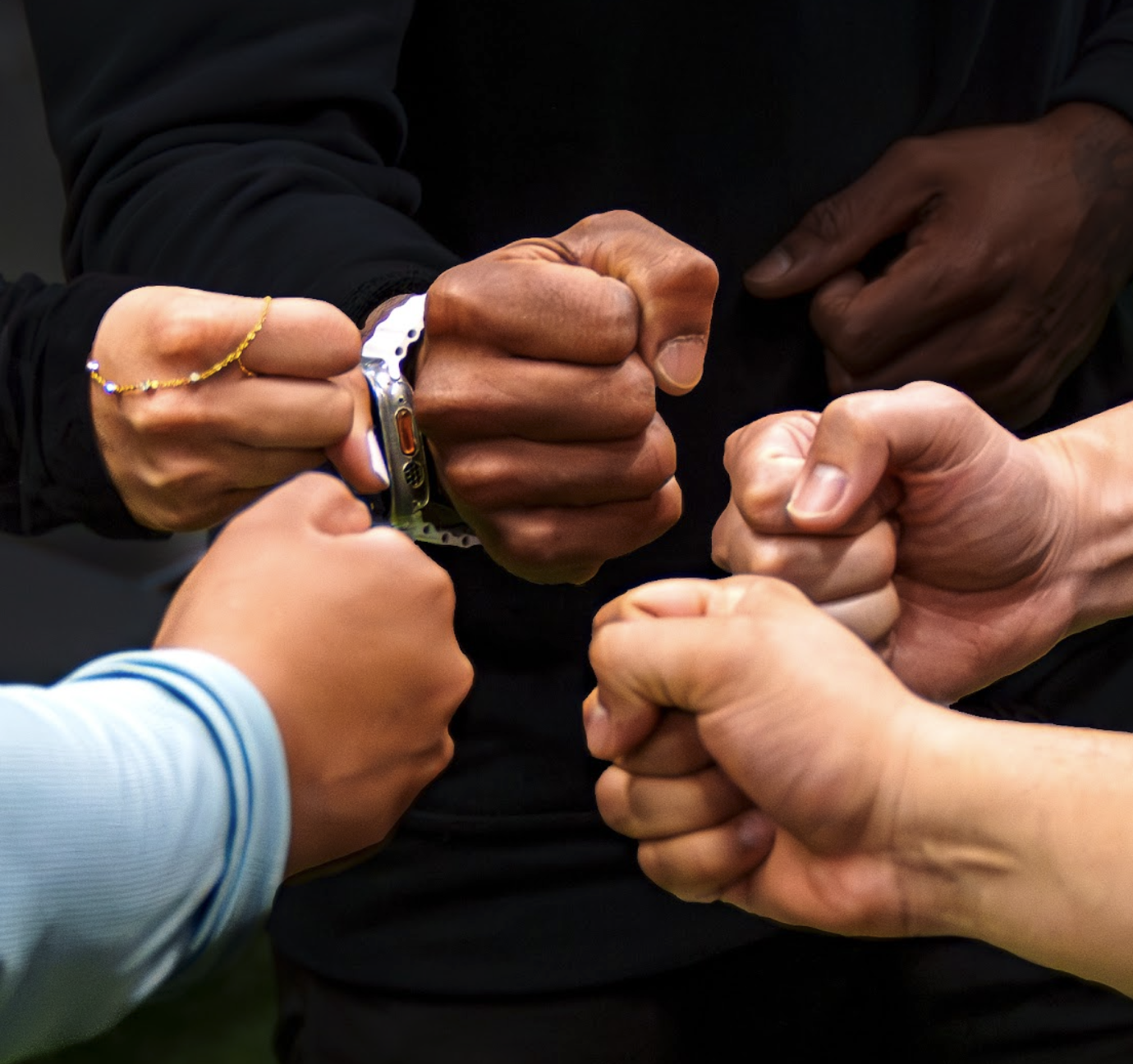
Small group training changes that dynamic. You see the same faces. You learn names. Over time, that turns into something real.
Community isn’t fluff. It shows up in attendance. Research backs that up—social support improves adherence and long-term health outcomes. Perceived social support and physical exercise adherence are positively associated with exercise adherence, meaning that people who feel supported are more likely to stick with their exercise routines. Studies show that social support positively predicts exercise adherence, with individuals who feel supported by peers, friends, or family more likely to maintain their exercise behavior over time.
At our Garden Grove gym, people celebrate milestones most gyms never notice. First pull-up. First pain-free squat. Those moments matter more than PR boards.
If you’ve ever felt invisible in a traditional gym, this usually feels different.
To see how that culture developed, visit
Results Come Faster With Structured Progression
Here’s the uncomfortable truth. Random workouts lead to random results.
Small group training follows a plan. Strength builds gradually. Conditioning improves in phases. Mobility gets attention instead of being skipped.
That structure removes mental noise. You don’t waste energy wondering what comes next. You just train.
Progress builds confidence. Confidence keeps people consistent. That loop matters.
It Effectively Fits Your Busy Schedules
Time is the excuse everyone uses. Often, it’s valid.
Small group training respects that. Sessions run on time. Warm-ups have a purpose. There’s no wandering around deciding what to do.
Scheduled classes also remove decision fatigue. You know when you’re training. You don’t negotiate with yourself.
For parents, professionals, and anyone juggling a full calendar, this matters.

You’re More Likely to Enjoy the Process
This part doesn’t get enough credit.
Enjoyment matters. If workouts feel miserable, people quit. Small group training tends to feel different. Challenging, yes. But doable.
Music’s on. People joke between sets. Coaches bring energy without theatrics.
That environment shifts how exercise feels. Less punishment. More momentum.
Group training also supports mental health: exercise releases “feel‑good” chemicals and reduces stress, and working out with others adds social support and connection that further boosts emotional well‑being.
At our Primitive x SwoleAF, members often say this is the first time training actually felt sustainable.
Small Group Training Reduces Injury Risk for Real-Life Adults
Most injuries aren’t dramatic. They’re cumulative.
Small mistakes. Repeated often.
Because class sizes are limited, coaches catch issues early—rounded backs, unstable knees, compensation patterns. Corrections happen in real time.
This matters for desk workers, parents getting back into training, or anyone with a history of aches. Movements are scaled. Loads progress gradually.
Safety and progress go together. Strength should improve life, not interrupt it.
Eliminates Guesswork and Mental Burnout
One reason people quit the gym has nothing to do with effort. It’s mental fatigue.
What should I do today? Is this working? Am I doing enough?
Small group training removes those questions. You show up. The plan’s ready. You train.
That simplicity lowers friction. When fitness feels straightforward, consistency follows.
Members often say this is the first time workouts felt clear. No confusion. No wasted time.
Helps People Rebuild Confidence, Not Just Fitness
This part doesn’t get talked about enough.
A lot of people walk into a gym carrying baggage. Past injuries. Years away from training. Bad experiences where they felt out of place or judged. In real-world settings, that matters more than programming.
Small group training tends to lower the emotional barrier. You’re not walking into a room full of strangers who look like they’ve been there forever. You’re joining a small circle where everyone starts somewhere.
From experience, this is where expectations often break down, in a good way. People assume they need to “get in shape” before training seriously. Small group training flips that. You train to build confidence, not prove it.
Coaches notice the quiet wins. A cleaner squat. A heavier carry. Less hesitation. Those moments add up. Over time, people move differently—not just in workouts, but in daily life.
Confidence isn’t loud. It’s subtle. And it tends to show up before visible physical changes do.
Supports Long-Term Consistency, Not Short Bursts
Most fitness plans work for a few weeks. That’s not the problem.
The problem is sustainability. Life interrupts—stress spikes. Schedules change. Small group training is built for that reality, not against it.
Because sessions are scheduled and coached, people don’t have to rely on motivation. They rely on routine. When one week goes sideways, the next session pulls them back in. No shame. No reset button.
This approach avoids the boom-and-bust cycle many people fall into. Go hard. Burnout. Disappear. Start again months later.
Instead, progress looks quieter. Slower at times. But steadier.
This is where long-term change actually happens, not in dramatic transformations, but in people who keep showing up months later—stronger, calmer, and more capable than they expected.
Small Group Training Teaches Skills People Keep for Life
Here’s something most people don’t realize until later.
In small group training, you’re not just exercising. You’re learning how to train. How to brace. How to warm up. How to recover. Those skills don’t disappear when a membership ends.
Because coaches explain the “why” in real time—without overloading people—members gradually build competence. They know when to push and when to pull back. That’s rare.
Over time, this changes how people approach fitness outside the gym, too. Travel workouts feel easier. Home sessions make more sense. Injuries become less frequent.
This skill transfer is subtle, but powerful. It’s one of the reasons small group training tends to create independence, not dependency.
People don’t just get through workouts. They understand them.
Frequently Asked Questions About Small Group Training
What is small group training?
A coached workout format with a limited number of participants, usually 4–8—designed to blend personal attention with group energy.
How is it different from group fitness classes?
Smaller size. More coaching. Individual adjustments instead of one-size-fits-all workouts.
Is it good for beginners?
Yes. Movements are scaled, and coaching is constant.
Can experienced lifters benefit?
Absolutely. Structured progression and feedback matter at every level.
How many people per session?
Typically 4–8.
Is it safer than training alone?
In most cases, yes. Supervision reduces risk.
How often should I train?
Usually, 2–4 sessions per week work well.
Is it more affordable than personal training?
Generally, yes while still offering professional coaching.
Will workouts be personalized?
Yes. The framework is shared, but execution is individual.
Is it effective for weight loss?
Very. Consistency and structure matter more than intensity alone.
What should I bring?
Comfortable clothes, athletic shoes, and water.
Conclusion
If training hasn’t stuck before, small group training is worth serious consideration. It blends coaching, structure, and community in a way most fitness options don’t. At our Garden Grove gym, it’s helped people get stronger, feel confident, and stay consistent without burning out.
You don’t need perfect motivation. You need a system that fits real life. Small group training tends to do exactly that.
Ready to Try Small Group Training in Garden Grove?
You don’t need another restart.
If crowded gyms or inconsistent routines have worn you down, small group training offers a different approach. Coaching. Accountability. People who notice when you show up.
The simplest way to know if it’s right is to experience it.
👉 Book your first small group training session
👉 Schedule a free intro or consultation
👉 View class times and get started
Show up once. See how it feels. The rest usually follows.