

Pre Workout Nutrition: Fueling Your Training
If you’ve ever walked into the gym feeling flat, foggy, or weirdly hungry even after you “ate something,” there’s a good chance your pre workout nutrition needs a tune-up.
Most gym members think that nutrition has to be over complicated with timing windows, exact grams, fancy powders; but honestly, that’s not true.
When you give it the right fuel at the right time, your workouts feel smoother, stronger, and way less like you’re dragging a dead body across the floor.
And yes, your recovery starts before you even touch a dumbbell.
So let’s cut the fluff and get into a simple, real-world guide to pre workout nutrition that actually works.
1. Why Pre Workout Nutrition Matters More Than You Think
Here’s the thing—most people train under-fueled without even realizing it.
They think they’re fine because they “aren’t hungry,” but your energy during a workout has very little to do with how hungry you feel.
It’s about stored fuel, blood sugar stability, and whether your muscles have access to what they need to perform.
When you dial in pre workout nutrition, everything changes. Lifts feel lighter. Cardio feels doable. Focus improves. And you won’t feel like collapsing halfway through a workout.
Proper pre workout fuel supports glycogen, boosts energy, and helps reduce muscle breakdown. That last part is huge, because building strength just isn’t just about what you push in the gym—it’s about what you protect. Skipping fuel means your body taps into muscle tissue for energy. Nobody wants that.
If you want a deep dive into metabolism, check out this peer-reviewed explainer on carbohydrate and fat metabolism during exercise:
https://www.annualreviews.org/doi/10.1146/annurev.nu.16.070196.001005
2. The Ideal Breakdown of Pre Workout Nutrition
(Simple Formula You’ll Actually Use)
Let’s be honest: your pre workout nutrition doesn’t need to be perfect—it just needs to be effective. Here’s the simple formula I give members who want results without overthinking everything:
The 3-Part Fuel Formula:
Carbs: quick and medium-digesting fuel
Protein: muscle protection
Fat: minimal—just enough, not too much
Why? Carbs give energy, protein prevents breakdown, and fat slows digestion (which you don’t want too much of before training). This ratio helps most people get more out of their workouts without feeling bloated or sluggish.
Here’s a quick cheat sheet:
If you eat 2–3 hours before:
Balanced meal: carbs + protein + small fat
Examples: chicken + rice + veggies
If you eat 60–90 minutes before:
Mostly carbs + lean protein
Examples: Greek yogurt + fruit
If you eat 15–30 minutes before:
Fast carbs only
Examples: banana, applesauce packet, small granola bar
If you ever wondered why certain foods feel great before training and others don’t, timing is the reason—not your “slow metabolism.”
According to Healthline’s evidence-based sports nutrition guide, balancing carbs and protein around workouts can improve both energy and recovery:
https://www.healthline.com/nutrition/sports-nutrition
3. What NOT to Do With Pre Workout Nutrition (Common Mistakes That Ruin Your Training)
Let’s talk mistakes, because gym members make the same ones over and over—honestly, it’s like déjà vu every week. And the consequences are real: nausea, early fatigue, lack of focus, heavy breathing, poor pumps, and feeling “off” even when you slept well.
Mistake #1: Eating way too much fat before training
Avocados, nut butters, bacon, fried foods—they slow digestion. That means your fuel sits in your stomach instead of reaching your muscles on time.
Mistake #2: Skipping carbs because you’re trying to lose weight
Carbs burned during a workout aren’t stored as fat. They’re used as fuel. You’re actually hurting fat loss by skipping them.
Mistake #3: Training fasted because some influencer said it boosts fat burning
Only advanced lifters with dialed-in diets benefit from this. Most people feel weaker, lose reps, and underperform.
Mistake #4: Taking pre-workout supplements on an empty stomach
You’re basically hitting your system with caffeine and citrulline nitrate without any fuel. Not a fun combo.
If you want to compare different supplement options, here’s a resource from our Supplement partnership site:
https://swoleaf.com/blog/best-pre-workout-supplement-guide-2026/
And for a science-backed reference on how caffeine actually affects performance, here’s a highly cited study from the Journal of the International Society of Sports Nutrition:
https://jissn.biomedcentral.com/articles/10.1186/s12970-019-0290-8
4. Fast, Practical Pre Workout Nutrition Ideas
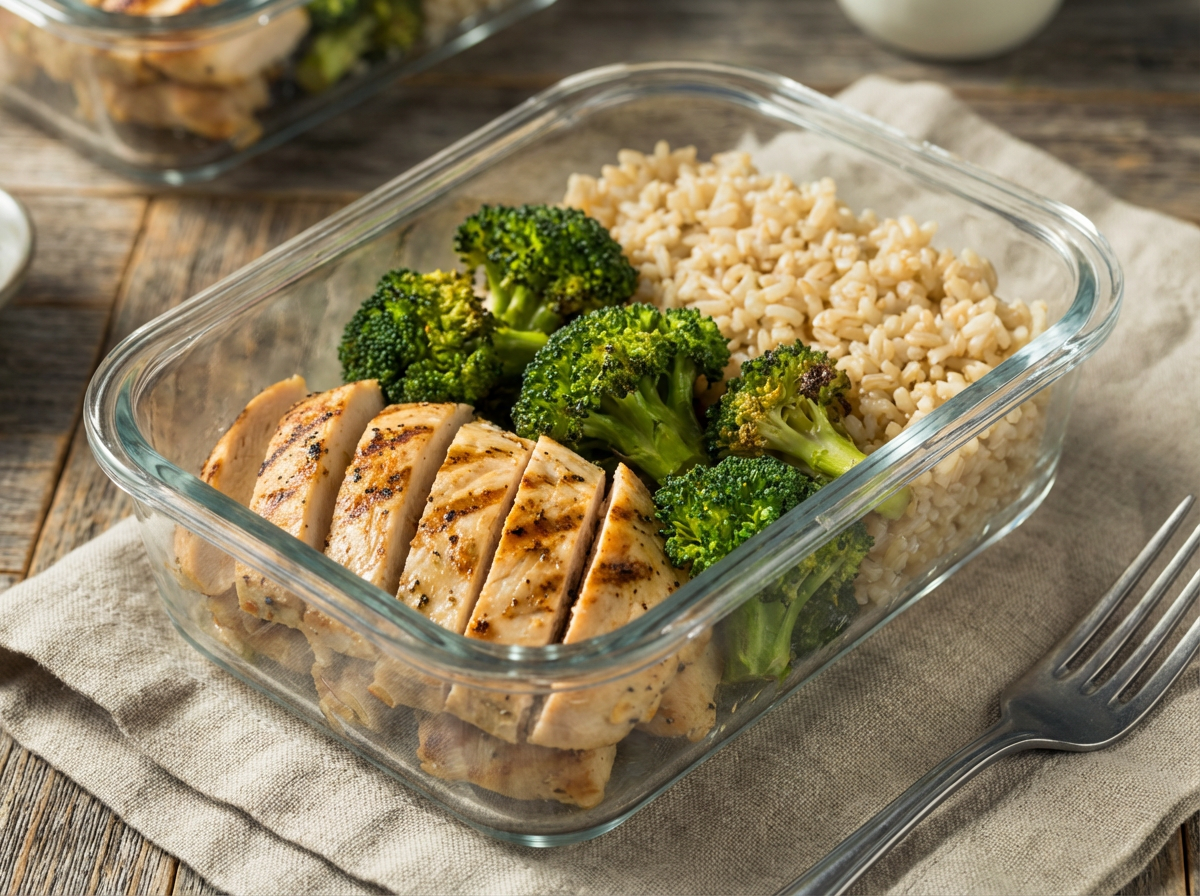
Everyone thinks they need fancy meals to fuel properly. Not true. You don’t need to cook like a fitness influencer. You don’t even need to cook at all. You just need foods that digest smoothly and give you a predictable energy bump.
2–3 hours before training (solid meals)
Chicken or turkey + rice + veggies
Salmon + potatoes + greens
Beef bowl with white rice
Breakfast burrito (light cheese)
60–90 minutes before training (balanced, moderate)
Oatmeal with berries and protein
Turkey wrap
Greek yogurt + granola + fruit
Protein smoothie (banana + whey + oats)
15–30 minutes before training (quick carbs only)
Banana
Rice cake with honey
Applesauce
Gummy bears (yes, carb timing works)
And if you’d like to understand how different foods spike or stabilize blood sugar, the University of Sydney’s Glycemic Index database is the gold standard:
https://glycemicindex.com/
5. Post-Workout Nutrition: The Other Half People Forget About
This is where most gym members fall apart. They train hard, hit a great sweat, and then… drive home and eat nothing for three hours.
The body doesn’t like that.
After your workout, your muscles are basically screaming, “Feed me so I can repair this damage!”
So while the star of this article is pre workout nutrition, post-workout fuel completes the puzzle.
Post-workout goals:
Refill glycogen
Repair muscle tissue
Reduce soreness
Lower cortisol
Kick off recovery ASAP
What to eat after training
Try combining fast carbs with quality protein within 45–60 minutes.
Examples:
Protein shake + banana
Turkey sandwich
Rice + lean meat
Yogurt + fruit bowl
You don’t need supplements, but they help when you’re busy. A whey shake is simply convenient—not magic.
If you want research on muscle protein synthesis, here’s a foundational study from PubMed explaining how amino acids drive muscle repair:
https://pubmed.ncbi.nlm.nih.gov/17077198/
6. Member Myths, Misconceptions, and Gym-Proven Truths
Let’s bust the myths we hear all day in the gym—because honestly, some of them are wild.
Myth: “Carbs make you gain fat.”
Truth: overeating makes you gain fat. Carbs fuel performance.
Myth: “I don’t need pre workout nutrition if I’m not hungry.”
Performance doesn’t care about hunger cues.
Myth: “Protein shakes are bad for you.”
Says who? Your pancreas isn’t scared of whey.
Myth: “I need to eat ‘clean’ or it doesn’t count.”
Digestibility matters more than purity. A banana works better than a kale salad before training.
Myth: “If I eat before a workout, I’ll feel heavy.”
If that happens, you either ate the wrong thing or too close to training.
7. How to Build Your Personalized Pre Workout Nutrition Plan
You don’t need a complicated spreadsheet. You just need a repeatable pattern that makes you feel good, perform well, and recover faster.
Here’s the 4-step method I give to gym members:
Step 1: Choose timing
Pick one: 30 minutes, 60–90 minutes, or 2–3 hours before.
Step 2: Choose your carb source
Fruit, rice, oats, potatoes, or simple snacks.
Step 3: Add your protein
Yogurt, whey, turkey, chicken, lean beef.
Step 4: Test and adjust
Your stomach will tell you what’s ideal.
Trust me, the more consistent your pre workout nutrition becomes, the more predictable your training feels.
Your Pre Workout Nutrition Shapes the Way You Train
If there’s one thing you take from this guide, it’s this: pre workout nutrition is the lever that makes every workout feel better, cleaner, and more productive.
You don’t need a perfect plan—just one that actually fuels your body.
When you give yourself carbs for energy, protein for protection, and the right timing, your training sessions stop feeling like battles and start feeling like progress.
Try one new strategy from this article today and track how you feel. Small changes add up fast.
And if you want deeper guidance, keep exploring the resources linked above. Your strength, energy, and recovery will all thank you.
Because the truth is simple: pre workout nutrition sets the tone for everything you do in the gym.
If you're really short on time, and in Orange County, consider using Healthy Meals Kitchen.